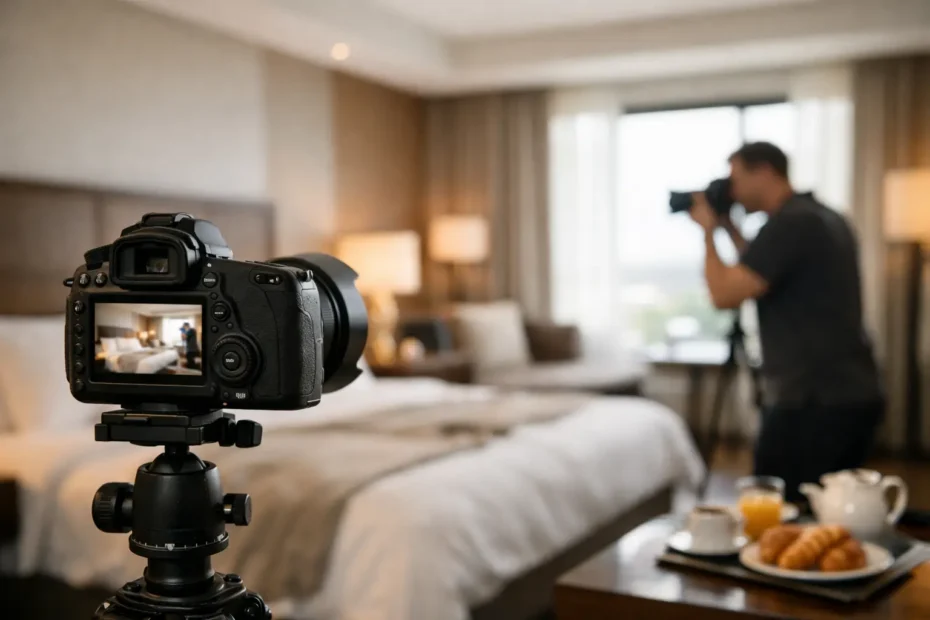
A guest can scroll past a hotel in seconds, even when the property would have been a perfect fit. Hotel photography services give them a reason to stop: a bright room that feels spacious, a lobby with energy, a pool that looks inviting, and details that make the stay feel considered before a reservation is made.
For hospitality teams, strong imagery is not simply a finishing touch for a website. It is part of the sales experience. It shapes expectations on booking platforms, social media, search listings, event pages, and printed materials. The goal is not to make a property look like something it is not. The goal is to show its best, most accurate version with enough clarity and personality that the right guest can picture themselves there.
Why Hotel Photography Services Affect Booking Decisions
Travelers make fast visual judgments. Before they compare room categories, read reviews, or check availability, they often decide whether to keep looking based on the first few images. Dark interiors, inconsistent color, cluttered rooms, and generic angles can make even a well-run hotel feel forgettable.
Professional photography gives guests useful answers quickly. Is the room comfortable? Does the property feel modern, classic, relaxed, family-friendly, or business-ready? Is there a place to work, gather, dine, celebrate, or unwind? Images that answer those questions reduce uncertainty, which matters when someone is choosing where to spend their time and money.
This is especially true for independent hotels, boutique properties, inns, resorts, and event-focused venues. Larger brands may benefit from name recognition, but a distinct visual story can help a smaller property earn attention on its own terms. A thoughtfully photographed breakfast area, courtyard, suite, or rooftop may be the image that moves a guest from browsing to booking.
The impact extends beyond overnight stays. Meeting planners need to see room layouts and guest flow. Couples considering a wedding venue want to imagine portraits, ceremonies, and receptions in the space. Corporate teams look for polished, practical environments. A complete image library supports each of these audiences without forcing the sales team to explain every feature from scratch.
What a Strategic Hotel Shoot Should Show
A hotel is not one room photographed from several angles. It is a guest experience made up of arrival, comfort, service, amenities, and location. The most effective shoots are planned around that experience rather than treated as a quick checklist.
Start with the guest journey
The exterior and entrance establish the first impression. A well-composed exterior photo should show more than the building itself. It can communicate curb appeal, accessibility, landscaping, surrounding character, or the appeal of a downtown location. Depending on the property, early morning, late afternoon, or twilight may create the most welcoming result.
From there, photography should move naturally into the lobby, check-in area, lounge, hallways, elevators, and shared spaces. These are often overlooked, but they tell guests how the property feels between their room and their destination. A clean, warm lobby can signal confidence and care. A lively bar or quiet seating area can help guests see the property as part of their trip, not just a place to sleep.
Photograph rooms honestly and beautifully
Guest rooms carry a great deal of booking weight. They need to look polished, but they also need to be believable. Wide images can show layout and scale, while closer photographs can highlight bedding, workspace details, natural light, finishes, views, and thoughtful amenities.
Preparation matters here. Bedding should be crisp, curtains adjusted, surfaces cleared, lamps switched on when appropriate, and distracting items removed. At the same time, rooms should not look sterile. A selective amount of styling can create warmth without misleading guests about what they will receive.
There is a balance to manage. An ultra-wide lens may make a compact room appear larger, but excessive distortion can create disappointment when guests arrive. Good hotel photography uses perspective carefully, preserving the real proportions of the space while making the composition appealing.
Include amenities with a purpose
A fitness center, pool, restaurant, spa, conference room, patio, game room, or shuttle service can help a property stand out. Yet amenities should be photographed because they support a guest decision, not just because they are available.
For example, a business hotel may benefit from strong images of meeting rooms, comfortable workspaces, coffee service, and nearby transportation access. A leisure property may put more emphasis on outdoor areas, dining, poolside moments, family spaces, or views. If an on-site restaurant has a strong identity, photographs of the food, bar, and atmosphere can help position the entire property as a destination.
Use people when they add energy
Empty architectural photographs are essential, but lifestyle imagery can make the experience easier to imagine. A couple enjoying a drink on a terrace, colleagues gathering before a meeting, or a family checking into a welcoming lobby can bring scale and emotion to a campaign.
People should feel natural and appropriate to the hotel’s audience. A luxury property may call for refined, quiet moments, while a social boutique hotel may benefit from a more energetic scene. Not every image needs a model. In fact, too many staged photos can make a gallery feel less trustworthy. The right mix keeps the property aspirational and real.
Planning Makes the Difference
The camera work begins long before the first frame. A productive planning conversation identifies the property’s strongest selling points, priority audiences, seasonal considerations, and intended uses for the final images. This helps the production team build a shot list that serves real business goals instead of delivering a collection of attractive but disconnected photographs.
A hotel preparing for a shoot should schedule it during a lower-traffic period when rooms and common areas can be fully prepared. Housekeeping, maintenance, food and beverage, and front desk teams all play a role. A small issue such as a burned-out bulb, incomplete landscaping, wrinkled linens, or an unattended service cart can pull attention away from an otherwise beautiful image.
It also helps to decide which spaces need to be photographed in multiple formats. Horizontal images are useful for websites, booking platforms, and print. Vertical images often perform well for Instagram Stories, Reels covers, and mobile-first advertising. Detail images can support social media, while wider hero images may be needed for homepages and campaign banners. Planning for those needs during one production day is more efficient than trying to recreate the same conditions later.
At Shade Video LLC, this kind of preparation is part of the service. The focus is on creating a clear, customized plan so property teams have one less moving piece to manage while still receiving visual assets that fit their marketing goals.
Photography, Video, and Virtual Walkthroughs Work Better Together
Still photography remains the foundation of most hospitality marketing, but it does not need to work alone. Video can communicate motion, scale, sound, and mood in a way a single image cannot. A short property film can move from the entrance to the lobby, room, restaurant, and amenities, giving prospective guests a more complete sense of place.
Virtual walkthroughs offer another useful layer, particularly for venues that host weddings, meetings, conferences, or private events. They allow planners to explore dimensions and layouts on their own schedule. This can lead to more qualified inquiries because prospects arrive with a clearer understanding of the space.
The right mix depends on the property and its sales goals. A small inn may see the greatest return from exceptional room, exterior, and local-area photography. A hotel with significant event revenue may benefit from photography, venue video, walkthroughs, and dedicated content for meeting planners. There is no reason to purchase every format without a strategy. The strongest package is the one that gives the marketing and sales teams assets they will consistently use.
Common Mistakes That Weaken Hotel Images
The most common issue is inconsistency. When some images are professionally lit and edited while others are taken quickly on a phone, the guest experience feels uneven before arrival. Consistent color, exposure, composition, and editing create a more credible brand presence.
Another mistake is relying only on wide room shots. Those images are necessary, but they do not communicate every reason to choose a property. Detail photos of a well-made bed, a welcoming coffee service, a textured lobby wall, fresh dining, or a view from the window can create the emotional connection that broad images miss.
Finally, hotels sometimes let their visual library age long after renovations, menu updates, redesigned rooms, or new amenities are complete. Guests notice when online photos no longer match reality. Updating imagery after meaningful changes protects trust and gives the property a fresh reason to communicate with past and future guests.
Build Images Around the Stay You Want to Sell
The best hospitality photographs do more than document a building. They show guests what it may feel like to arrive, settle in, meet, celebrate, rest, and leave with a positive impression. When every image has a purpose, a property can communicate its value before a guest ever steps through the door.
A well-planned shoot gives your team a lasting collection of assets, but its real value appears in the moments that follow: a traveler choosing your room, a planner requesting a tour, or a guest recognizing the welcoming place they saw online.