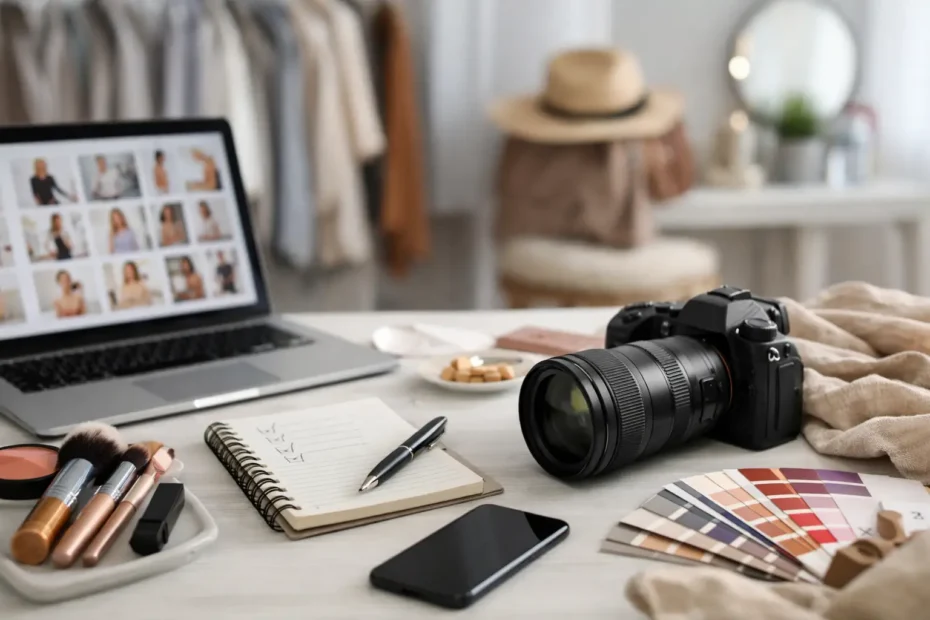
A strong brand photoshoot rarely comes down to a single great camera moment. The images that feel polished, useful, and unmistakably yours are usually the result of thoughtful decisions made before anyone steps on set. Knowing how to prepare for a brand photoshoot helps your creative team spend less time solving avoidable problems and more time capturing the people, details, and energy behind your business.
Whether you need fresh website images, social content, hospitality photography, product photos, or a library of visuals for your next campaign, preparation gives every image a job to do. It also makes the day more comfortable for your team. When everyone understands the plan, confidence shows up on camera.
Start with the outcome, not the camera
Before choosing outfits or collecting props, decide what the photos need to accomplish. A restaurant may need warm, inviting images that make guests picture their next night out. A real estate team may need bright, trustworthy portraits and detail shots that support listings. A service business may need approachable team photos, process images, and vertical content that can work across social platforms.
Ask where the final images will live. Your website homepage needs a different composition than an Instagram Reel cover, a paid ad, or a printed brochure. Website banners often benefit from open space for text. Social posts may need vertical framing. If you want to use one session across several channels, say so early. Your photographer can plan for a useful mix of wide, horizontal, vertical, and close-up images.
It helps to define two or three practical goals rather than asking for “a little of everything.” For example: introduce the team, show the client experience, and create 30 days of social content. Those goals give the shoot a clear direction without making it feel rigid.
Build a visual direction your team can follow
You do not need a complete design brief to communicate your brand. A small collection of references can be enough. Gather examples that show the mood, lighting, colors, locations, poses, and level of polish you like. Include a few images you do not like, too. Saying “not too staged” or “avoid dark, dramatic lighting” can prevent confusion.
Your visual direction should reflect what customers experience when they work with you. A boutique hotel might lean into natural light, texture, and relaxed luxury. A financial advisor may want clean environments, calm body language, and professional warmth. A fitness studio might need movement, energy, and bold color. The best approach depends on the brand, not on whichever photo trend is popular that month.
Keep brand colors in mind, but do not force every person or prop to match your logo. A limited palette usually looks more refined than a room full of competing colors. Neutral foundations with a few intentional brand accents tend to photograph well and remain usable over time.
Make a shot list that leaves room for real moments
A shot list is not a script. It is a safeguard against reaching the end of the day and realizing no one photographed your best-selling product, the front entrance, or the founder who spent the whole shoot helping everyone else.
Organize your priorities around the images your business genuinely needs. Include a mix of brand storytelling, people, details, environment, and action. If your business serves customers in person, show the experience from their perspective. If your work happens behind the scenes, document the craft, care, and process that make your service different.
For a typical brand session, your list may include:
- Exterior and interior establishing photos
- Individual and team portraits
- Products, tools, or signature details
- Staff interacting naturally with customers or each other
- Process images that show work in motion
- Seasonal or campaign-specific images
Mark the non-negotiables clearly. Then identify secondary ideas that can happen if time allows. A packed list creates pressure and can make the images look rushed. Your production partner can help estimate what is realistic based on the number of locations, people, outfit changes, and setups involved.
Choose people who represent the experience
The people in your photos shape how customers feel about your brand. Employees, founders, clients, professional models, or a combination can all work well. The right choice depends on the story you need to tell and on who will be comfortable on camera.
Real team members bring credibility, especially when customers will meet them in person. They also help convey company culture in a way stock imagery cannot. The trade-off is scheduling. Choose participants early, communicate the call time clearly, and make sure they understand the purpose of the shoot. A quick explanation of what to expect can ease nerves for people who have never been photographed professionally.
If customers or clients will appear, confirm permissions before the session. For some businesses, models offer greater control over timing and consistency. For others, authentic interactions are worth the extra coordination. There is no single right answer, but consent and expectations should never be left until the day of the shoot.
Plan wardrobe, grooming, and props with intention
Wardrobe should support the brand without distracting from the person wearing it. Encourage solid colors, subtle textures, and well-fitting clothing. Avoid prominent logos, tiny patterns, neon colors, and anything that wrinkles easily unless it is part of the desired look. Bring one or two backup options for key participants, especially for executive portraits or multi-look content.
For team shoots, provide simple guidance rather than demanding identical outfits. A shared color family and a consistent level of formality can look coordinated while allowing people to feel like themselves. If uniforms are part of your customer experience, include them. They are an important piece of the brand story.
Props deserve the same level of attention. Fresh products, clean packaging, organized workstations, branded materials, flowers, menus, laptops, tools, or signature items can add context. Check labels, screens, and surfaces before the shoot. A smudged window, outdated flyer, visible password, or tangled cable is easy to miss in the moment and difficult to explain later.
Prepare the location for the camera
A space can feel perfectly normal in person and still need attention on camera. Walk through each shoot area a day or two beforehand. Remove clutter that does not contribute to the story, replace burned-out bulbs, clean reflective surfaces, and set aside personal items that should not appear in the background.
At the same time, do not strip away all personality. The goal is not an empty room. It is a space that feels intentional. A welcoming lobby, active kitchen, styled hotel room, or creative studio should still look lived in and true to the business.
Think about logistics as well. Confirm access times, parking, loading instructions, restroom availability, and any restrictions on lighting or filming. If the photoshoot takes place during business hours, let staff know where the crew will work and how customer traffic will be handled. A calm, prepared location protects both the shoot and the customer experience.
Create a schedule that protects your best light and energy
A realistic schedule is one of the most valuable parts of brand photoshoot preparation. Allow time for arrivals, setup, wardrobe adjustments, quick resets, and normal business interruptions. Schedule your highest-priority images when your key people are fresh and the location looks its best.
Natural-light locations can be beautiful, but they also change quickly. Indoor shoots may require more setup time for lighting. Busy businesses may need to photograph certain areas before opening, between appointments, or after closing. These choices involve trade-offs between convenience, available light, staff availability, and customer disruption. Discuss them during planning rather than trying to solve them on set.
Build in a little breathing room. A session that runs five minutes behind is normal. A session planned down to the minute leaves no space for a genuine interaction, a great idea, or an unexpected weather change.
Set your team up to feel comfortable on camera
Most people are not professional models, and they do not need to be. What reads best is relaxed attention, not a forced smile. Let participants know that the photographer will guide posing, hand placement, and where to look. They do not have to arrive knowing what to do.
On the day of the shoot, appoint one point person who can answer questions, approve details, gather team members, and make quick decisions. That person should know the shot priorities and have authority to keep the day moving. It prevents the common delay of having five people weigh in on every small choice.
Bring water, light snacks, touch-up items, and any essential backups. Keep phones out of pockets when possible, silence notifications, and give everyone permission to take a breath. The more supported your people feel, the more natural the images will look.
Review the plan, then trust the process
A final pre-shoot check-in should confirm the schedule, address, contact information, participant list, wardrobe notes, priority shots, and weather plan if applicable. Share any last-minute changes immediately, especially changes to products, staffing, access, or messaging.
Once the session begins, resist the urge to direct every frame from the sidelines. Stay involved, but leave room for your photographer to notice the expressions, angles, and unscripted moments that make a visual library feel alive. A prepared plan creates the structure. Creative collaboration is what gives it character.
At Shade Video, we see preparation as part of the storytelling process, not extra work for the client. A little clarity before the camera comes out can turn a single photoshoot into a versatile collection of images that continues to support your business long after the session is over.