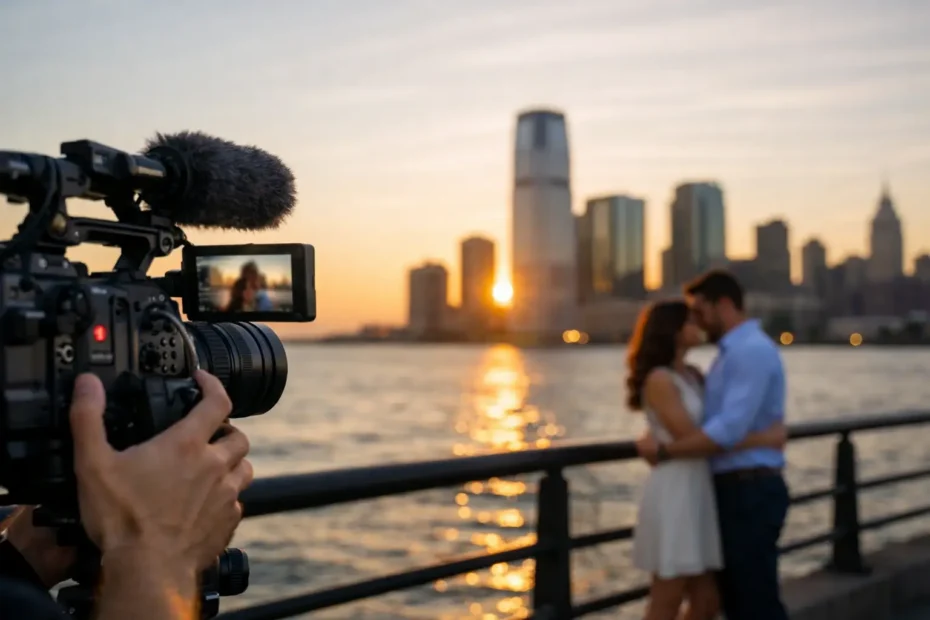
A wedding toast that makes the room laugh, a packed nonprofit fundraiser, a restaurant’s first impression online, or a sunlit property walkthrough – these moments move quickly. The right New Jersey videography does more than document what happened. It gives people a reason to feel the energy, understand the story, and remember why it mattered.
For couples, that may mean hearing a parent’s voice during a ceremony years from now. For organizations, it may mean turning one event or campaign into months of useful content. The goal is not simply attractive footage. It is a polished final piece that feels like you, works for the intended audience, and comes together without adding another major task to your plate.
What New Jersey Videography Should Deliver
A professional video project begins well before the cameras arrive. Strong work comes from understanding the setting, the audience, the desired mood, and what the finished video needs to accomplish. A romantic wedding film and a fast-paced social campaign may use many of the same technical tools, but they require very different pacing, coverage, and editing choices.
For milestone events, the priority is often emotional preservation. You want the major moments, of course, but also the reactions that happen around them: a nervous glance before the ceremony, guests arriving, a grandparent on the dance floor, the quiet seconds after a speech. Those details give a film its life.
For a business, video should clarify a message and support a measurable next step. That could be building trust with a brand story, encouraging event registrations, showing the experience of a hospitality property, or giving potential customers a clear reason to inquire. Beautiful visuals matter, but they need a purpose.
A full-service production partner helps connect those dots. Rather than handing over raw clips and leaving you to solve the rest, the team can guide planning, filming, photography, editing, format selection, and final delivery. That support is especially valuable when you are coordinating vendors, guests, staff, or a busy launch schedule.
Choosing a New Jersey Videography Team
The best fit is not always the crew with the largest camera package or the most dramatic sample reel. Look for a team whose work shows consistency, thoughtful audio, natural human moments, and an editing style that fits your vision. A portfolio should help you picture your own story, not make you feel like every project will be forced into the same template.
Start with the story, not the shot list
Shot lists have a place. They prevent meaningful details from being missed, particularly at weddings, conferences, and property shoots. But a list alone cannot create a compelling film. Your videography team should ask questions about what matters most: the people you want featured, the atmosphere you are creating, the message your audience should take away, and where the finished video will be used.
For example, a wedding couple may care most about full ceremony audio, personal vows, and candid family interactions. A retail brand may need short vertical clips for Instagram and TikTok alongside a longer website video. A venue may want sweeping visual coverage, room details, staff interactions, and a virtual walkthrough that helps guests understand the space before they visit.
When the plan reflects these real priorities, filming becomes more focused and editing becomes more useful.
Ask how the team handles sound and changing conditions
Video can look cinematic and still fail if the audio is unclear. Vows, speeches, interviews, and presentations need intentional microphone placement and backup recording. This is one of the less glamorous parts of production, but it is often what makes a wedding film emotionally powerful or a brand interview credible.
New Jersey locations also bring practical variables. A waterfront event may have wind. A city venue may have traffic and limited loading access. A ballroom may shift quickly from bright windows to low reception lighting. An experienced team plans for these conditions, arrives prepared, and adjusts without making the client feel the pressure.
Confirm what is included after filming
Editing is where footage becomes a finished story. Before committing, make sure you understand the deliverables: video length, number of edited pieces, orientation for social platforms, revision process, delivery timing, and whether photography or walkthrough assets are part of the project.
There is no single package that suits every client. A one-minute promotional video may be the right choice for a focused campaign, while a business with several platforms may benefit more from a longer flagship piece plus cutdowns for social media. Similarly, some wedding clients want a concise highlight film, while others value a fuller documentary edit that includes complete ceremony and speech moments.
Customization is not about adding every possible feature. It is about investing in the assets that will be most meaningful and most useful to you.
Planning a Video Project Without Adding Stress
The easiest projects are rarely the least detailed. They are the ones with a clear process. A consultation should establish goals early, then turn them into a practical production plan. This lets you make key decisions before the pace of the event or shoot day takes over.
For an event, share the timeline, venue information, important participants, access rules, and any non-negotiable moments. For a commercial shoot, identify the primary audience, the central message, featured products or services, and the desired call to action. If the project will include interviews, decide who should speak and what they can credibly address.
It also helps to name any concerns upfront. Perhaps one partner dislikes being on camera, a CEO has only 20 minutes available, or a property needs to be filmed around active guests. These are not problems to hide. They are details a dependable crew can plan around.
At Shade Video LLC, the approach is built around this kind of collaboration: creative direction paired with organized execution. Clients should be able to focus on the people in the room or the work in front of them, knowing their media is being handled with care.
Match the Format to the Audience
A strong video is not automatically a long video. Attention, platform, and purpose should guide the final format.
A wedding film has room to breathe because its audience is personal. It can linger on a meaningful look, a spoken promise, or the rhythm of a reception. A social advertisement has to earn attention almost immediately. It may need an engaging visual, a clear benefit, and a direct message within the first few seconds.
Real estate and hospitality media sit somewhere in between. Viewers want enough detail to imagine themselves in the space, but they also need an easy path through the experience. Video, photography, and virtual walkthroughs can work together: video establishes feeling and flow, photography highlights key features, and a walkthrough gives visitors a practical sense of layout.
Planning for multiple formats during the same shoot is often more efficient than trying to recreate the production later. Horizontal footage can support websites and YouTube, while vertical clips can be captured intentionally for Reels, Stories, TikTok, and mobile-first advertising. The difference is not just cropping. It is framing, pacing, text placement, and how the story begins.
The Value of a Film You Will Actually Use
The most successful video projects continue working after delivery. Couples revisit their films on anniversaries and share them with family members who could not attend. Event hosts use recap videos to thank attendees, promote the next gathering, and show sponsors the impact of their support.
Businesses can repurpose thoughtful footage across campaigns, presentations, email marketing, websites, and social channels. A well-planned shoot may provide more than one polished final video. It can create a visual library of interviews, b-roll, product details, team moments, and location coverage that supports future marketing needs.
That is why planning for use matters as much as planning for appearance. The right video should feel memorable on the day it is delivered and remain valuable when you need to tell the story again.
Whether you are preserving a once-in-a-lifetime celebration or putting your organization in front of a new audience, start with what you want people to feel and do. From there, a thoughtful production team can build the coverage, creative direction, and final assets that make the moment last.