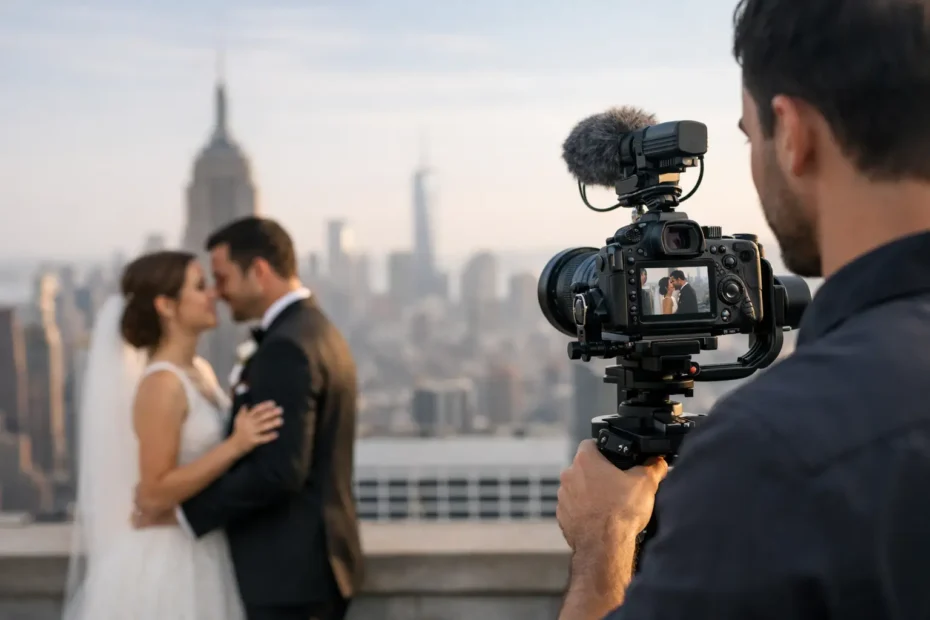
The first look ends quickly. So does the walk down the aisle, the toast that makes everyone laugh, and the dance floor moment your grandparents never expected to join. A New York wedding videographer gives those moments a life beyond the wedding day, turning a fast-moving celebration into a story you can return to for decades.
For couples planning in New York, choosing the right team is about more than finding someone with a camera. Your videographer needs to work confidently within a demanding timeline, navigate a busy venue, coordinate with your photographer and planner, and stay attentive to the quiet moments happening just outside the spotlight. The right fit brings creative perspective and calm, dependable execution.
Start With the Kind of Film You Want to Revisit
Wedding videos can feel very different from one another, even when they cover the same day. Some couples want a cinematic highlight film with carefully composed shots, emotional music, and a strong sense of place. Others prefer a documentary-style approach that preserves real audio, full vows, speeches, and the natural energy of the celebration.
Most couples benefit from a balance of both. A short highlight film can capture the feeling of the day in a shareable format, while longer edits or full ceremony and speech films preserve the voices and details that become more meaningful over time. Before comparing packages, consider what you will actually want to watch on your first anniversary, your tenth, and beyond.
Look at sample films for more than beautiful shots. Pay attention to pacing, sound quality, skin tones, low-light footage, and whether the story feels personal rather than generic. A strong wedding film should reflect the couple, the setting, and the atmosphere of the day – not simply follow a formula.
What a New York Wedding Videographer Needs to Handle
New York weddings bring exceptional variety, from rooftop ceremonies and Brooklyn lofts to classic Manhattan ballrooms, Hudson Valley estates, and waterfront celebrations. They also bring logistics that affect video coverage: traffic, loading docks, restricted access, elevator delays, tight getting-ready spaces, and venues with strict production rules.
An experienced New York wedding videographer plans for these realities before arriving. That includes confirming parking or loading details, reviewing the venue timeline, understanding ceremony audio options, and building enough time into the schedule for travel between locations. If your ceremony is in one borough and your reception is in another, that preparation matters even more.
Lighting is another consideration. A sunlit garden ceremony and a candlelit reception require very different approaches. Your videography team should be ready to adapt without interrupting the experience for you or your guests. The goal is polished footage that still feels true to the room.
Audio Is Where the Emotion Lives
Couples often focus first on visual style, but clear audio is what gives a wedding film its emotional weight. Hearing your vows, a parent’s toast, or the unscripted words shared during a first look can bring you right back to the day.
Ask how the team captures audio during the ceremony and reception. Professional coverage typically includes discreet microphones for key speakers and backup recording methods. This is especially important in large venues, outdoor spaces, and receptions where music and crowd noise can quickly overpower a voice.
A beautiful image without usable sound may still look good in a short montage. It cannot fully preserve the promises and conversations that made the day yours.
Ask About Coverage, Not Just Hours
Two packages may both list eight hours of coverage, but the experience can be very different. One may include a single videographer, while another includes a second shooter who can capture both partners getting ready, alternate ceremony angles, guest reactions, and wider reception coverage.
There is no universal answer to how much coverage you need. For a smaller celebration in one location, one skilled videographer may be the right choice. For a larger wedding, a multi-location day, or a ceremony with meaningful cultural traditions, a second videographer can add valuable depth and flexibility.
Talk through your actual timeline instead of choosing based on a package name alone. When does preparation begin? Will there be a first look? Are family members giving speeches? Is there an after-party, cultural performance, or private last dance you want documented? A customized plan helps prevent rushed decisions on the wedding day.
Make Sure the Team Works Well With Others
Wedding videography is collaborative by nature. Your videographer will work alongside your photographer, planner, venue coordinator, DJ or band, florist, and catering team. The best production teams know how to capture meaningful footage without taking over the room.
Ask how the videographer approaches shared moments such as the first look, portraits, ceremony processional, and reception entrances. A thoughtful team coordinates positions with the photographer so both teams have room to create without competing for the same shot.
This matters most during the moments that cannot be repeated. You should not have to worry about whether a camera operator is blocking your guests’ view or slowing down your timeline. Professionalism is often quiet: arriving prepared, communicating clearly, and knowing when to step forward and when to stay unobtrusive.
Compare Deliverables With Care
A wedding film package should clearly explain what you will receive after the event. A highlight film is not the same as a full documentary edit, and raw footage is not the same as an edited film. Ask what is included, how long each final video is expected to be, and whether ceremony and speeches will be delivered in full.
You may also want vertical social media edits, teaser films, same-day edits, or additional coverage for a rehearsal dinner or welcome party. These can be worthwhile, particularly for couples hosting a full wedding weekend, but they should serve your priorities rather than add items you may never use.
Editing time is another practical question. Quality post-production takes care, especially when the team is balancing multiple camera angles, recorded audio, color correction, music selection, and a story that feels natural. A clear delivery timeline helps set expectations without rushing the creative process.
Know What You Are Paying For
Wedding videography pricing reflects more than the hours spent filming. It includes planning, equipment, travel, insurance, audio preparation, editing, file management, music licensing, and the time required to shape raw footage into a finished story.
The lowest quote can be tempting, but it may leave out important coverage, professional audio, backup equipment, or a clear post-production process. At the same time, the most expensive option is not automatically the best fit. The right investment depends on your guest count, locations, desired deliverables, and how important video is within your overall wedding priorities.
A reliable videography partner should make pricing easy to understand. Ask what happens if the timeline runs late, whether travel or venue fees apply, and how changes to your schedule are handled. Clear answers early on create more confidence later.
Choose the Team That Helps You Feel at Ease
Your wedding film will be more natural when you feel comfortable with the people creating it. During your consultation, notice whether the videographer asks thoughtful questions about your story, your family, your venue, and the moments that matter most to you. The conversation should feel collaborative, not transactional.
At Shade Video LLC, we believe great wedding coverage begins with listening. Every couple has different traditions, different relationships, and a different vision for how the day should feel. A tailored plan allows the production team to focus on the details that make your celebration recognizable as your own.
When you find a videographer whose work moves you, whose process feels organized, and whose presence puts you at ease, you can spend less time thinking about the cameras and more time being fully present. That is often where the most lasting footage begins.